

If you are immigrating to the UK and aiming for indefinite leave to remain, you have probably seen the term “earned settlement” linked to ILR changes in 2026. This is not just a rumour cycle.
The UK government has set out a plan to reform settlement, including a proposal to increase the standard qualifying period for ILR from five years to ten years for many migrants, and to make settlement something that is “earned” based on contribution, conduct, and integration rather than granted automatically after a set period.
If you want to understand ILR as it works today, start with Indefinite Leave to Remain in the UK: Your Key to a Secure Future and Endless Possibilities
What changes are being proposed for ILR from 2026
These are the key settlement proposals currently on record in official public materials and parliamentary briefing.
The standard ILR timeline could change from 5 years to 10 years
The headline proposal is a doubling of the standard qualifying period for settlement to 10 years.
This matters because many people currently plan around a five-year ILR timeline on routes like sponsored work and some family pathways. If this proposal becomes Immigration Rules, it could extend the time you need to maintain lawful residence before you can settle.
Settlement would become “earned”, not automatic
The proposal is not only about time. It is also about how ILR is granted.
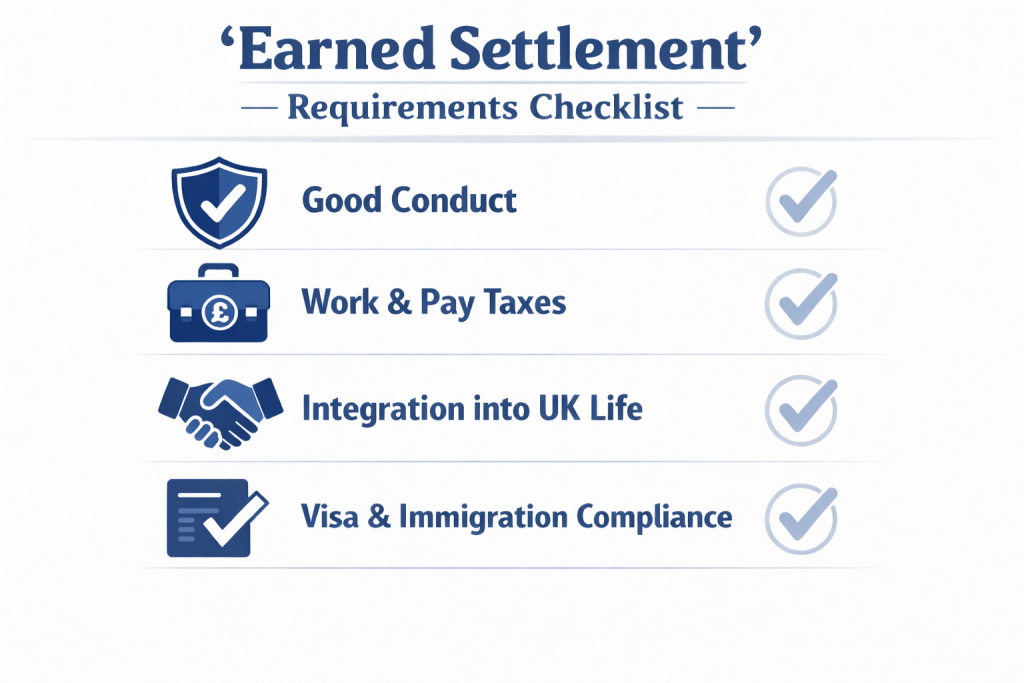

The earned settlement model is described as moving away from the idea that settlement is granted automatically after a fixed period. Instead, it would be linked to evidence of:
- Sustained good conduct
- Contribution (for example, through lawful work and participation in UK life)
- Integration
That means your immigration history and your evidence may matter more than ever, not only whether you hit a calendar date.
If you want to reduce your risk of problems later, it helps to understand refusal patterns now. Link to UK Visa Refusals: Common Mistakes and How to Avoid Them
A points based framework could be extended to settlement and citizenship
Another proposal is to extend points based principles beyond entry visas and apply them to settlement and citizenship rules.
In practice, this suggests that ILR may become more dependent on meeting specific contribution criteria, not only meeting time and residence requirements.
The proposals may apply to people already in the UK who have not yet secured ILR
This is the part most people care about.
In the consultation material, the government sets out an intention to apply the new earned settlement requirements to people who have not yet been granted ILR, even if they are already living in the UK on a route toward settlement.
This is still part of a consultation process, but the published intention is important because it changes how you should plan. It means you should not assume you are automatically protected by the current rules unless transitional arrangements clearly confirm that.
What “earned settlement” could mean for immigrants planning their future in the UK
If earned settlement becomes the model, you should expect ILR planning to look more like an evidence driven application, not a “time served” milestone.
Here is what that could mean in practical terms.
More scrutiny on continuous residence and absences
Absence rules already matter for many ILR routes. With earned settlement, documenting your residence and travel history may become even more important.
Practical tip: keep a travel log from day one. Record dates out, dates back, where you went, and why. Keep proof for longer trips.
More importance placed on compliance through every visa stage
If settlement becomes earned, there is likely to be less tolerance for:
- Gaps in lawful status
- Late applications
- Missing documentation for changes of address, employer, or circumstances
- Accidental breaches of visa conditions
If you are immigrating via work sponsorship, your route needs to stay stable and compliant across every extension. Link to Unlocking Opportunities: How to Secure a UK Skilled Worker Visa with UKGIC
Stronger requirement to prove your timeline clearly
Under any stricter system, settlement becomes harder when your evidence is messy.
That includes:
- Inconsistent names across documents
- Missing proof of residence
- Unclear employment history
- Absences you cannot clearly explain
How to plan for ILR changes 2026 without getting stuck
Plan using two timelines, not one
If you are immigrating now, build a plan that works under:
- The current route timeline you expect today
- A longer timeline, such as 10 years, in case the rules change before you qualify
This does not mean you will definitely be moved to 10 years. It means you will not be blindsided if the rules change while you are building your life in the UK.
Build your settlement file as you go
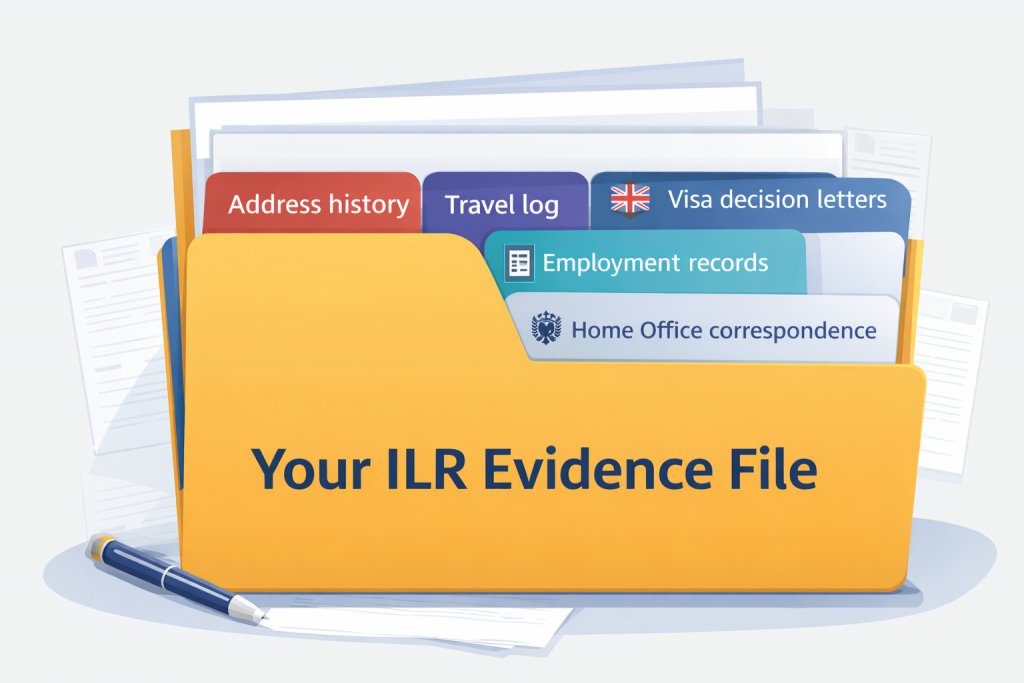

Create one folder for everything you would want if you had to prove your full history at any time:
- Visa decision letters and Home Office correspondence
- Proof of address history
- Employment records and contracts, where relevant
- Travel log and supporting evidence
- Evidence of name changes or changes in family circumstances
Avoid last minute extension planning
If settlement timelines extend, people will need more extensions. Extensions are usually where mistakes happen, especially when life gets busy.
If you are still progressing from a temporary route toward long term residence, you might want to learn How to Make the Switch from Temporary to Permanent Residency in the UK
Be careful with advice that claims everything is confirmed
Some parts are proposals. Some may become rules. The safest approach is to plan as if evidence requirements will increase and timelines could lengthen, then update your plan when final Immigration Rules confirm exactly how the change will be applied.